What happened
Kennedy and senior advisers considered military and diplomatic responses to the missile sites. They debated an air strike, invasion and a naval operation while recognising the risks of Soviet retaliation elsewhere. Publicly, the President maintained his ordinary schedule.
Sources for this passage: [1] [2]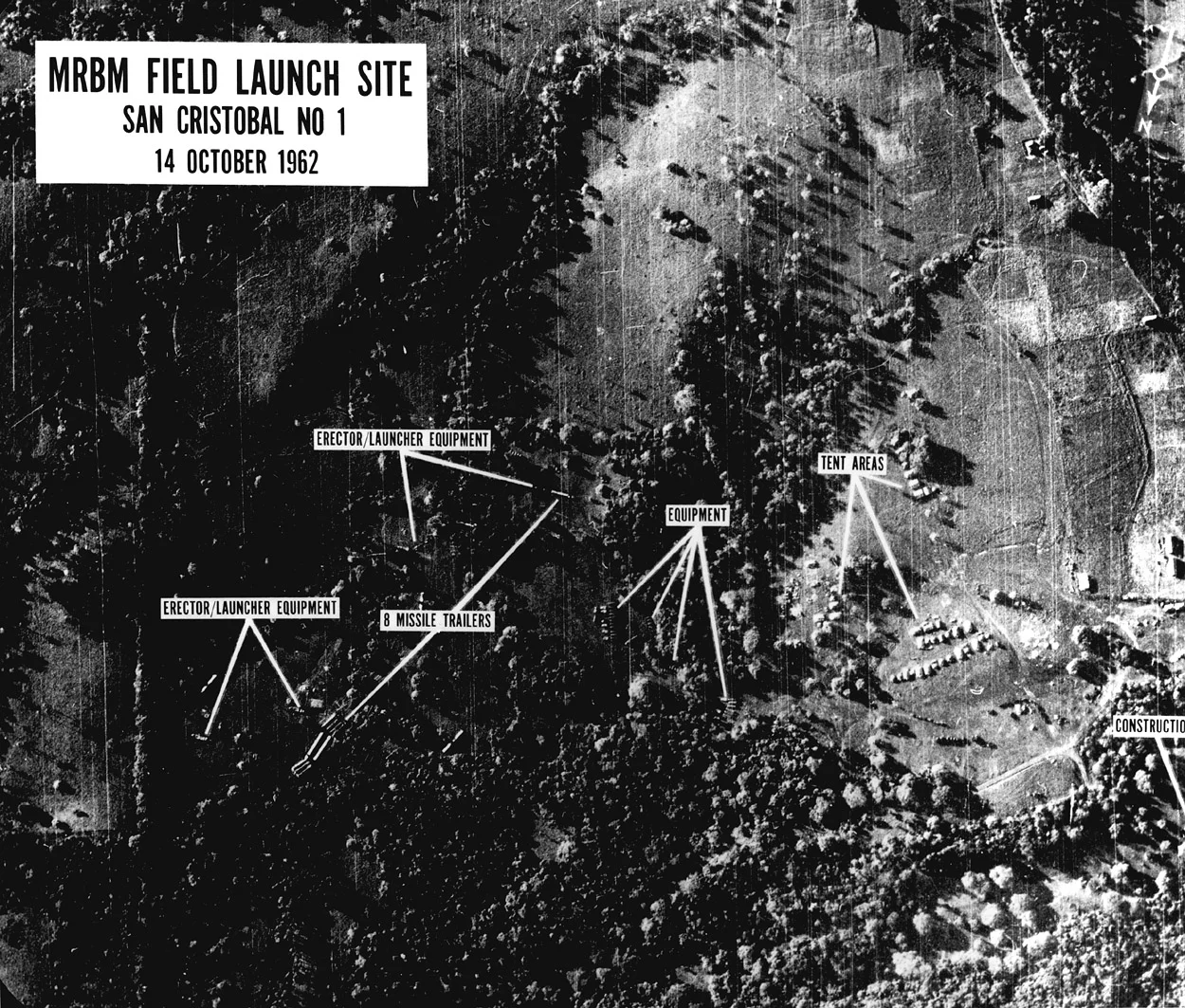


A discovery without a settled response
The first discussions were about several problems at once: the military threat, the reason Khrushchev had accepted the risk, and the consequences of doing nothing. An air strike promised speed but could miss weapons and kill Soviet personnel. A naval blockade offered a slower way to apply pressure. An invasion would require substantial preparation and could bring a response elsewhere.
The President kept his public schedule while the advisers worked in secret. This gave the group time to debate before either government was locked into a public position. The group was not yet the formally constituted Executive Committee of the National Security Council; that designation followed on 22 October.
Sources for this passage: [2] [1]