

- Operator:
- United States Air Force during the crisis flights
- Role:
- High-altitude photographic reconnaissance
- Key dates:
- 14, 16 and 27 October
- Important distinction:
- Anderson and Maultsby flew separate missions
Its place in the crisis
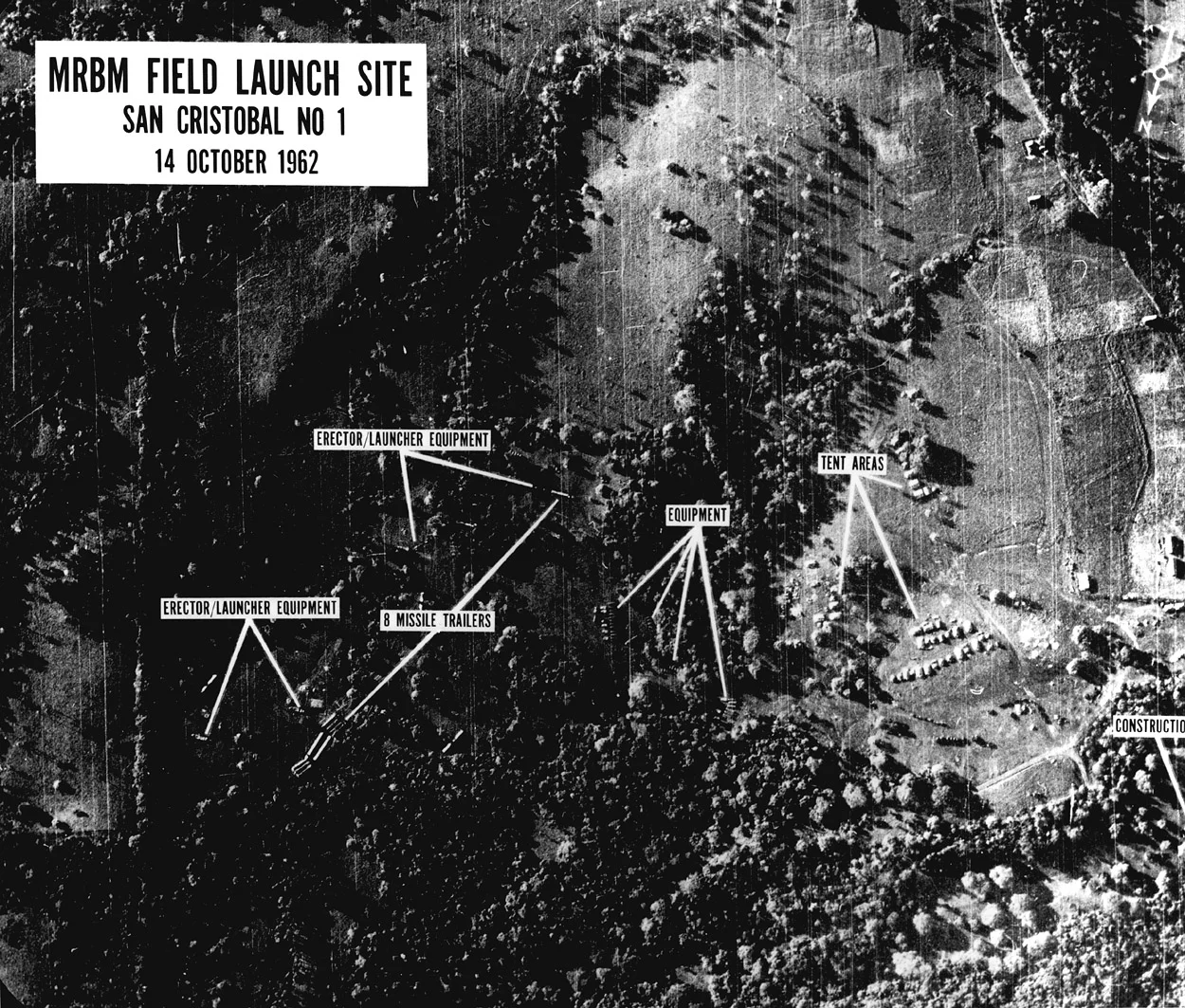
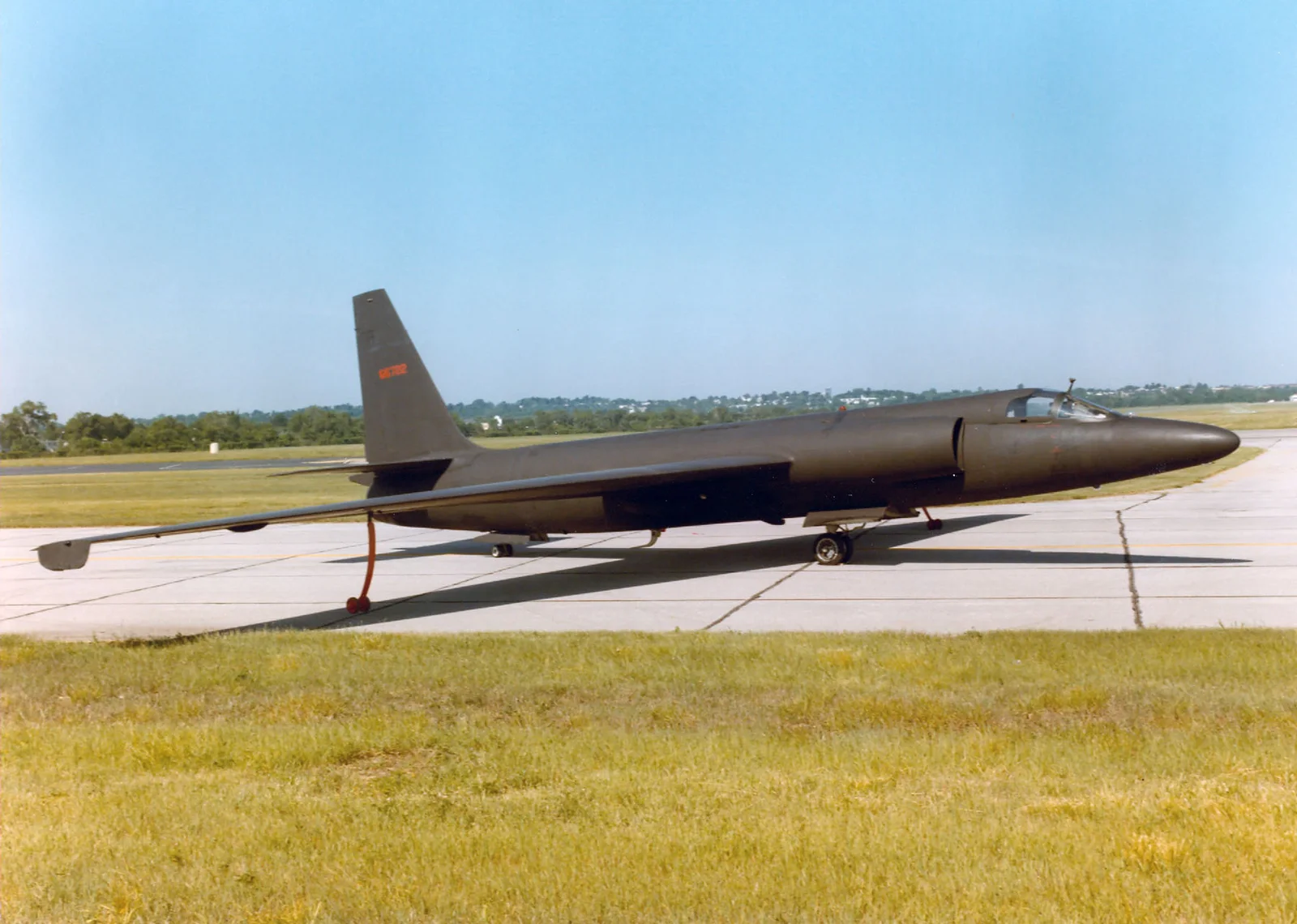
The U-2 used altitude and cameras to gather intelligence over a wide area. Richard Heyser’s 14 October photographs helped expose the missile deployment; Kennedy received the findings on 16 October.
Rudolf Anderson was killed when his U-2 was shot down over Cuba on 27 October. On the same day, Charles Maultsby strayed into Soviet airspace during a separate air-sampling flight and eventually returned safely. The two incidents must not be merged into a single flight.
Sources for this passage: [1] [2]How a flight became a presidential briefing
Taking the photographs was only the beginning. Film had to be recovered and processed, then examined by specialists at the National Photographic Interpretation Center. Interpreters compared the shapes, dimensions and arrangement of equipment with known Soviet missile systems. Their conclusion turned a collection of images into evidence that could be briefed to the President.
The sequence is important: Richard Heyser photographed the sites on 14 October, interpretation followed, and Kennedy was informed on 16 October. Discovery was a chain of work by pilots, technicians and analysts rather than a live television view available immediately in the White House.
Sources for this passage: [1] [3]Two different dangers on 27 October
Anderson’s mission over Cuba sought intelligence about the Soviet deployment. Maultsby’s flight was an air-sampling mission in the Arctic, far from the Caribbean. A navigation error took Maultsby into Soviet airspace, prompting Soviet interception and an American rescue response before he returned safely.
The overlap mattered because Moscow could interpret an unexpected American aircraft over Soviet territory in the context of the confrontation over Cuba. Neither capital could assume that every hazardous military event was a deliberate signal from the other leader. Anderson’s death and Maultsby’s survival became very different outcomes of that same dangerous day.
Sources for this passage: [4] [2]More views