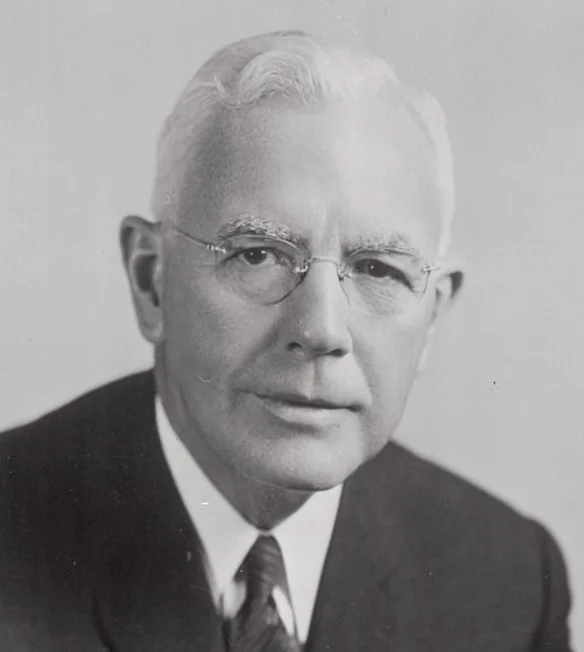


Background and position
McCone became Director of Central Intelligence in November 1961. His position placed him between the agencies collecting and interpreting information and the officials choosing policy. During the crisis, intelligence had to establish what was being built, how far construction had progressed and what remained unknown.
Sources for this passage: [1] [2]Role in October 1962
McCone briefed the president on the developing missile evidence and participated in discussions of the American response. His memoranda are important sources, but they are summaries rather than complete transcripts. Comparing them with recordings helps distinguish the intelligence presented from the policy preferences expressed around the table.
Photographs did not answer every question. Identifying missile sites was different from knowing the location of warheads, the total Soviet force or the instructions held by its commanders. Later Soviet records revealed capabilities that were not understood in Washington at the time.
Sources for this passage: [3] [2]Why their role matters
His memoranda are useful precisely because they show intelligence and policy interacting. A confident recommendation should not be mistaken for complete knowledge of the enemy. Comparing the American assessments with Soviet deployment records helps reveal the gaps under which Kennedy’s advisers were working.
Sources for this passage: [2] [4]