An ally with much at stake
Britain was drawn into the crisis as an American ally, a nuclear power and the host of American-supplied Thor missiles. A confrontation over Cuba could spread to Europe. London’s concern was therefore more than support for Washington: British cities and forces could become targets in a wider war.
Sources for this passage: [1] [2]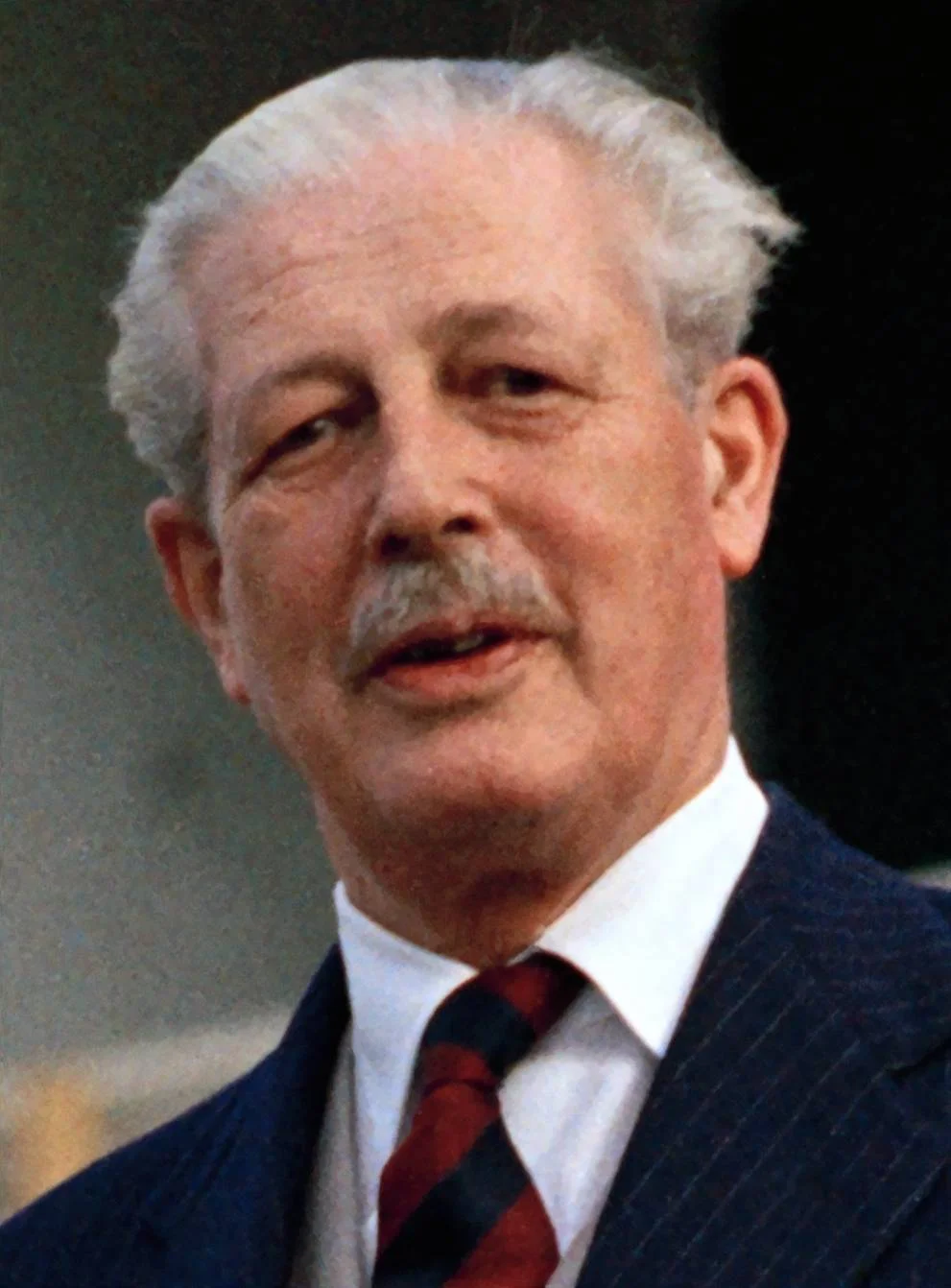


Macmillan and Kennedy
The recorded telephone conversation at 12.30am on 23 October, British time, shows Harold Macmillan asking Kennedy about the quarantine’s scope and Soviet retaliation. Berlin featured prominently. Macmillan wanted close consultation as events developed, but the conversation also reveals uncertainty: neither leader could know how Khrushchev would respond.
Sources for this passage: [1]- 01
Washington ↔ Moscow
Letters and public messages
Kennedy and Khrushchev communicate through formal channels, with delays and interpretation.
- 02
Washington ↔ Soviet embassy
A private diplomatic channel
Robert Kennedy meets Anatoly Dobrynin on 27 October.
- 03
London ↔ Washington
Allied consultation
Macmillan and Kennedy communicate by telephone and diplomatic messages.
- 04
United Nations ↔ participants
Mediation
U Thant pursues ways to pause escalation and negotiate.
Simplified explanatory diagram. Read the surrounding account and its sources for the conditions, chronology and limits.
Diplomacy through several channels
Foreign Secretary Lord Home and ambassador David Ormsby-Gore connected British policy to Washington. Their work continued after 28 October. A November discussion with Dean Rusk considered what the crisis meant for future Soviet behaviour and warned against assuming that America’s local military advantage around Cuba applied everywhere.
Sources for this passage: [3]The RAF prepares
Britain’s V-bombers and Thor missiles were part of the wider nuclear confrontation. RAF records show a precautionary alert on 27 October, with key personnel retained at their stations and preparations kept unobtrusive. Macmillan wanted readiness without conspicuous mobilisation.
The published RAF chronology places official records beside later recollections. Veterans remembered armed aircraft and periods of heightened readiness; contemporary records do not always describe these in the same terms. A single American DEFCON label cannot accurately summarise every British unit’s condition.
Sources for this passage: [4]A crisis experienced at home
The British story includes crews waiting at their stations, their families, and a public already familiar with civil-defence advice and arguments about nuclear weapons. The National Archives’ collection places the crisis alongside government planning and protest. These sources help explain why events thousands of miles away felt immediate.
Sources for this passage: [1]