.jpg)
- Operator:
- RAF Bomber Command
- Aircraft:
- Avro Vulcan; Handley Page Victor; Vickers Valiant
- Role in 1962:
- Nuclear deterrence
- Geographic context:
- Britain and the wider strategic confrontation
Its place in the crisis
The V-force consisted of three different British bomber designs. Alongside Thor, it made Britain an active participant in nuclear readiness rather than merely an observer of events in the Caribbean.
Bomber Command’s preparations during October have to be read through dated operational records and crew accounts. Readiness, dispersal, weapons preparation and political release authority were related but distinct.
Do not use the aircraft’s later history to describe its 1962 role: the Victor’s familiar tanker service and the Vulcan’s Falklands operations belong to different periods.
Sources for this passage: [1] [2] [3]Three aircraft, one strategic task
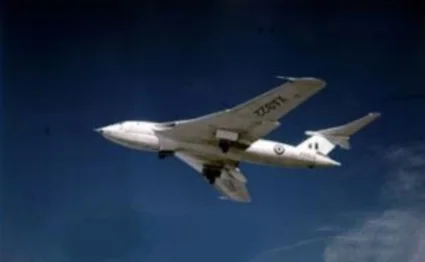
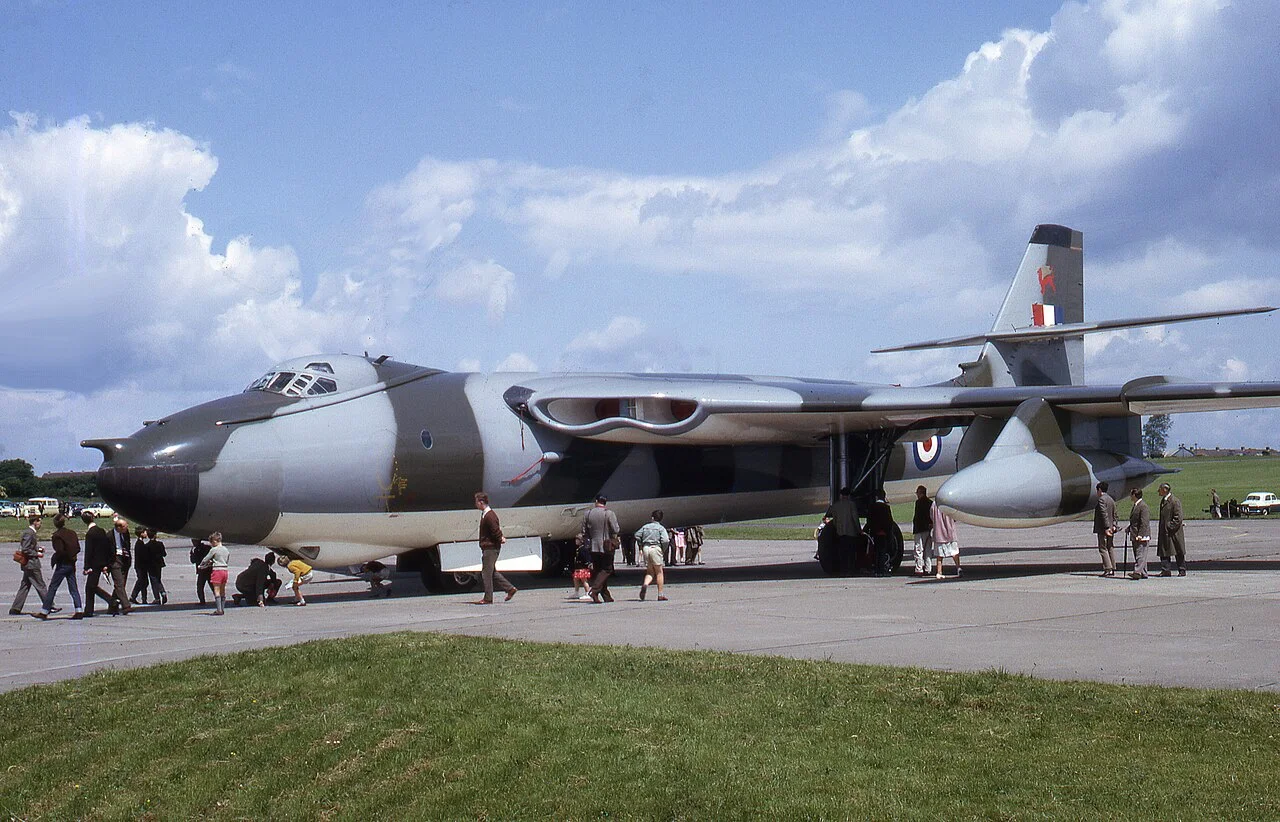
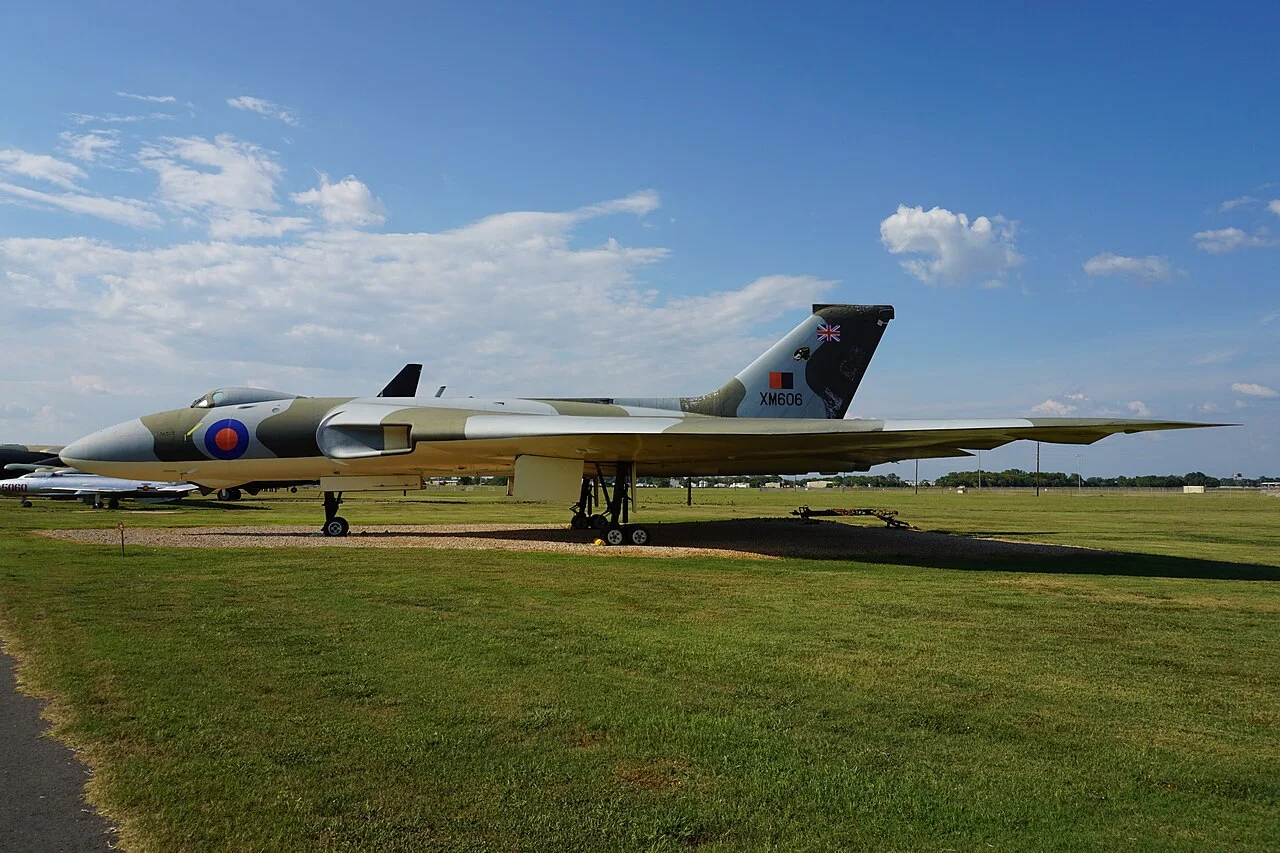
The Valiant, Vulcan and Victor were separate aircraft designs serving the same broad purpose: carrying Britain’s nuclear deterrent. The Vulcan’s delta wing is the most immediately recognisable, but a history of October 1962 must include all three types rather than treating “V-bomber” as another name for the Vulcan.
Their contribution differed from Thor’s. An aircraft required crews, servicing, weapons preparation and a usable runway, and its mission involved flight to the target area. A ballistic missile depended on its launch system and followed a very different flight profile. Both forces nevertheless relied on communications and political release authority.
Sources for this passage: [1] [3]Readiness without a public ultimatum
The RAF’s published account places approximately 120 V-bombers within the force available during the crisis. Britain’s readiness measures unfolded alongside American preparations but should be described through British records, rather than by automatically applying SAC’s DEFCON label to the RAF.
The aircraft and Thor sites made Britain both a contributor to Western nuclear strength and a potential target if fighting widened. Macmillan’s diplomacy therefore concerned the security of British crews, bases and cities as well as support for Kennedy in the Caribbean.
Sources for this passage: [4] [2]More views