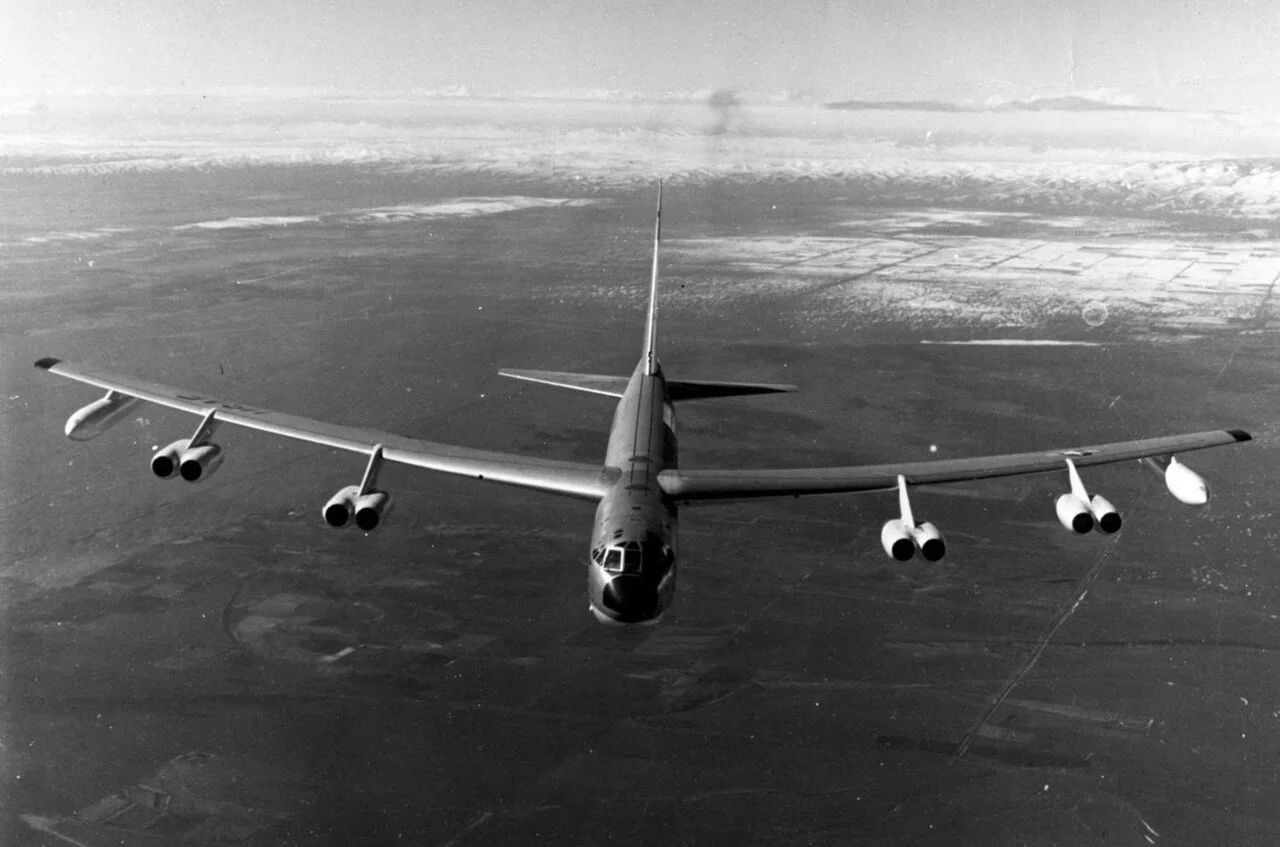


- Operator:
- US Strategic Air Command
- B-52:
- Long-range strategic bomber
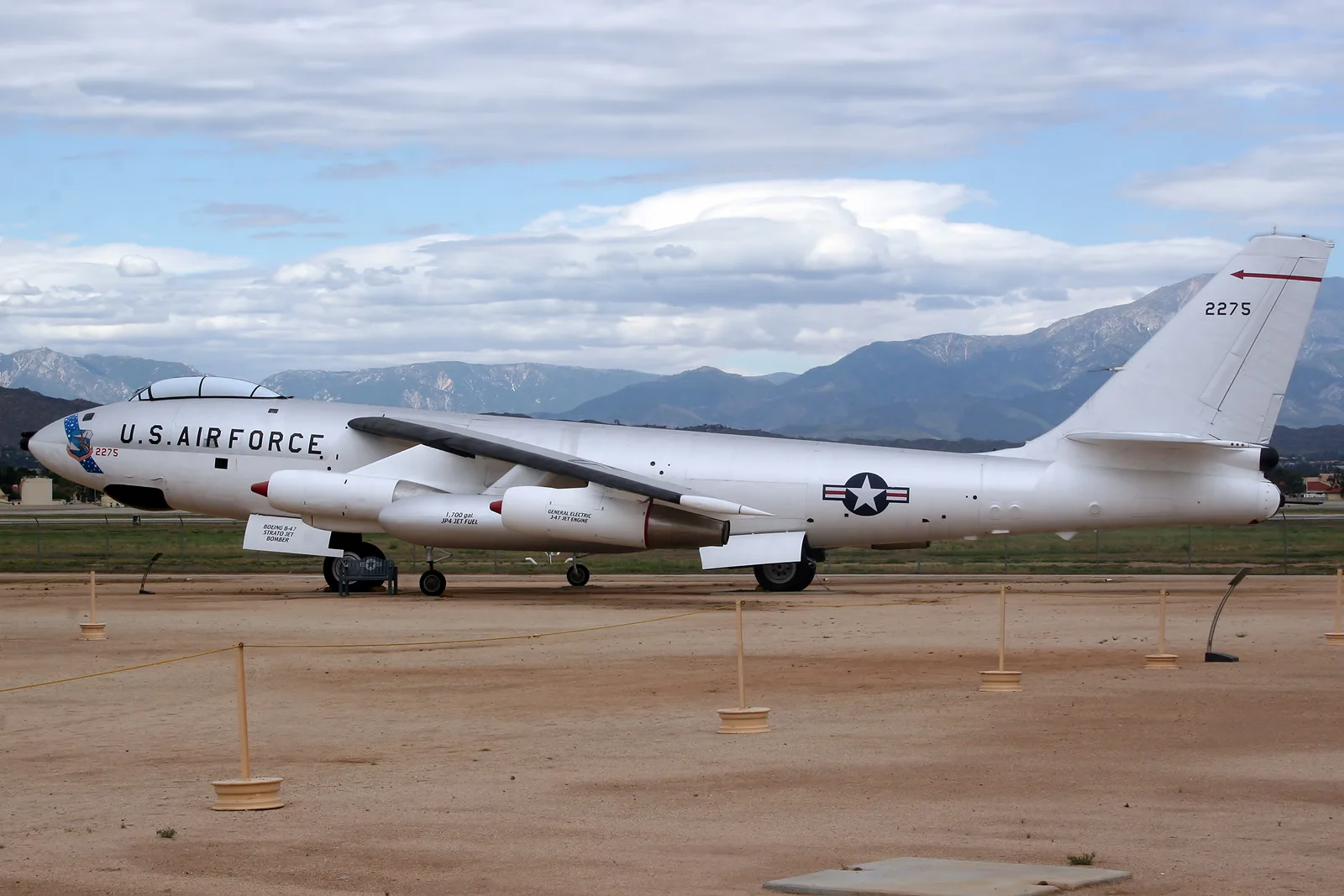
- B-47:
- Medium strategic jet bomber
- Crisis role:
- Nuclear readiness and dispersal
Its place in the crisis
The bomber force was not simply waiting to attack Cuban missile sites. It formed part of the American strategic nuclear capability directed at the wider Soviet threat. SAC raised readiness to DEFCON 2 during the crisis.
The response included increased B-52 airborne alert activity and dispersal of B-47s to reduce vulnerability on the ground. Tanker support, crews, maintenance and communications were as important as the bombers themselves.
An alert is preparation, not an order to attack. SAC’s DEFCON 2 status should also not be described as the identical alert level of every American service everywhere.
Sources for this passage: [1]An alert sustained by a whole force
SAC’s preparations combined aircraft kept ready on the ground with bombers already airborne. Keeping B-52s in the air reduced the chance that a surprise attack could destroy them at their bases, but required tanker rendezvous, replacement crews, maintenance and reliable communications. Dispersing B-47s similarly made the ground force less concentrated.
These measures were intended to preserve a retaliatory capability against the Soviet Union. They should be distinguished from the tactical air-strike plans aimed at Cuban missile sites. A bomber on nuclear alert was part of the wider deterrent posture; it was not evidence that an order to attack had been issued.
Sources for this passage: [1]DEFCON 2 and the command structure
SAC moved to DEFCON 2 on 24 October, one step below the highest readiness condition. General Thomas S. Power commanded Strategic Air Command; General Curtis LeMay was the Air Force chief of staff. Their posts are sometimes conflated, obscuring the difference between running the command and advising at the service-chief level.
The alert made the crisis global. A clash near Cuba could be interpreted against the background of strategic forces preparing for a much larger war. This is why decisions about a reconnaissance aircraft or a ship could not safely be considered in isolation from the nuclear posture.
Sources for this passage: [1] [2]More views
.jpg)