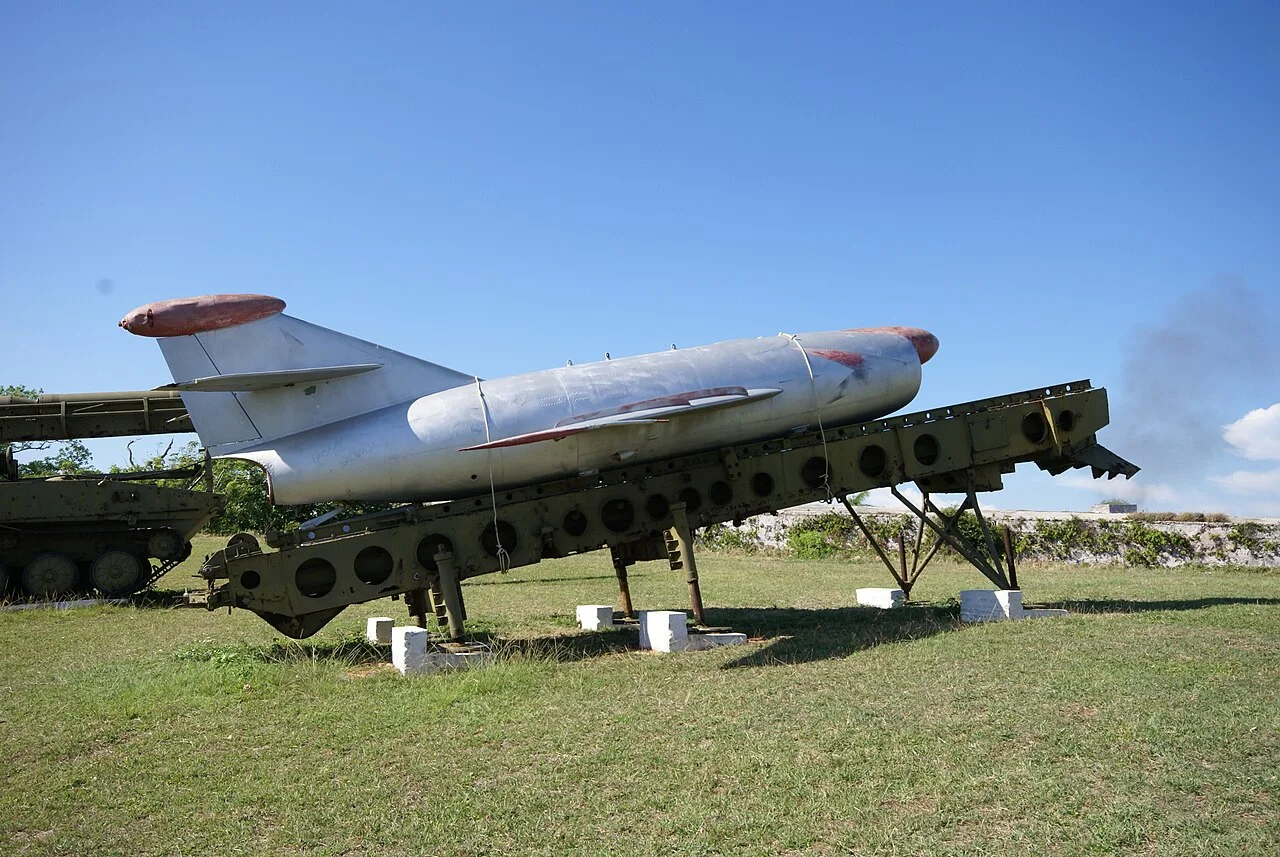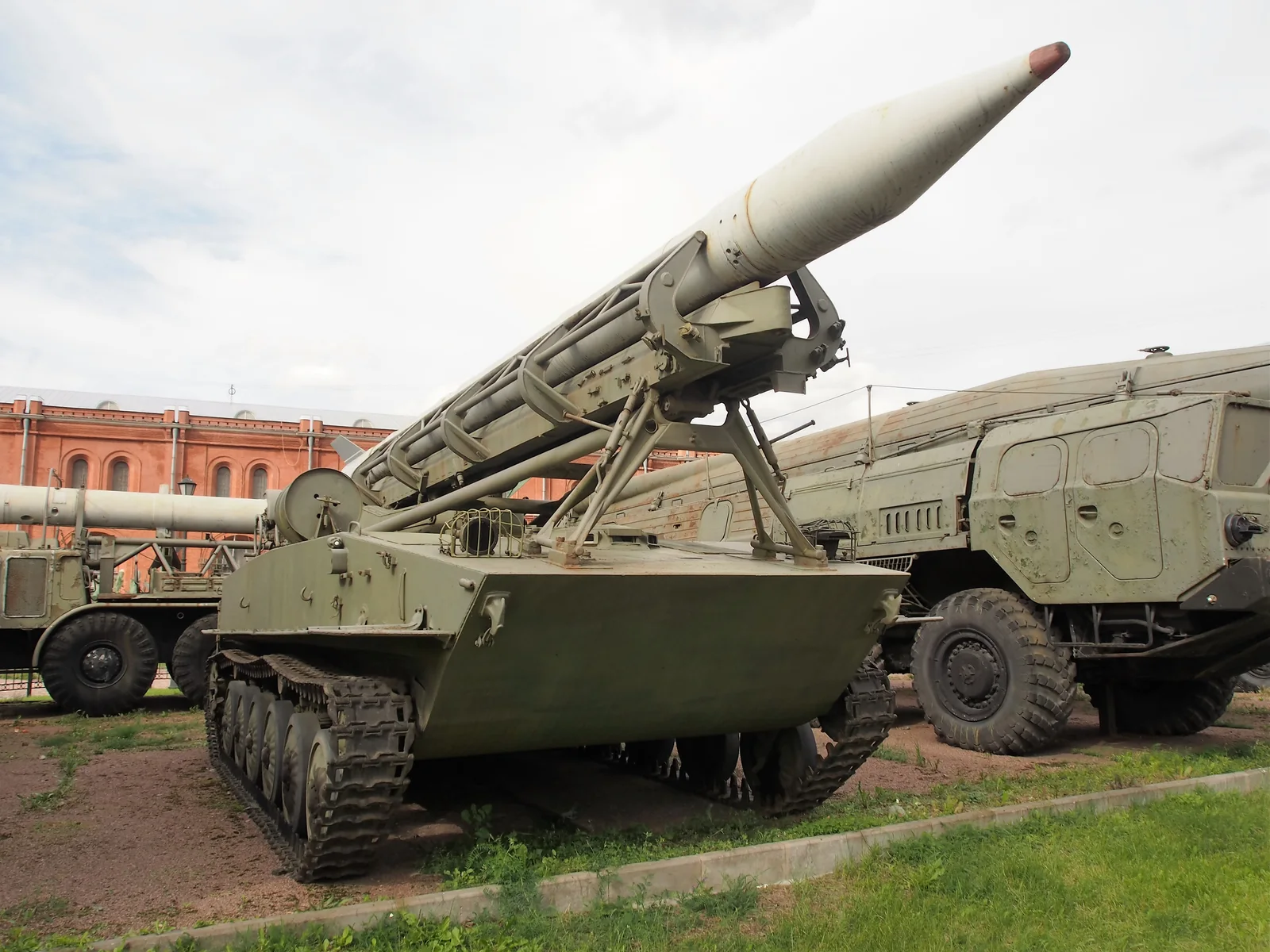


- Country:
- Soviet Union
- Luna:
- Short-range battlefield rocket
- FKR-1:
- Ground-launched cruise missile
- Crisis significance:
- Threat to forces attacking Cuba
Its place in the crisis
The Soviet deployment included tactical nuclear weapons as well as the strategic ballistic missiles. Luna rockets and FKR-1 cruise missiles served different military purposes, with the potential to attack invading forces and nearby military targets.
Their presence was not fully understood by American decision-makers during the confrontation. An invasion planned around conventional opposition could therefore have encountered a nuclear battlefield.
Possession of a nuclear weapon did not automatically mean that a local commander had unrestricted authority to use it. The surviving orders and later recollections require careful comparison. These weapons also complicate any claim that all nuclear danger ended on 28 October.
Sources for this passage: [1]Weapons for a battle on and around Cuba
The Soviet deployment included eighty nuclear warheads for FKR-1 cruise missiles and twelve for Luna rockets. These were separate from the strategic warheads intended for the R-12 and R-14. The FKR plan called for sixteen launchers, with a range of up to 180 kilometres; it was a weapon for the local theatre of operations.
Luna was a short-range battlefield rocket, whereas FKR-1 was a powered cruise missile. Both could make an American landing far more dangerous than a plan based only on conventional Cuban resistance suggested. The distinction between warhead inventory and launcher inventory is especially important here.
Sources for this passage: [1]More views