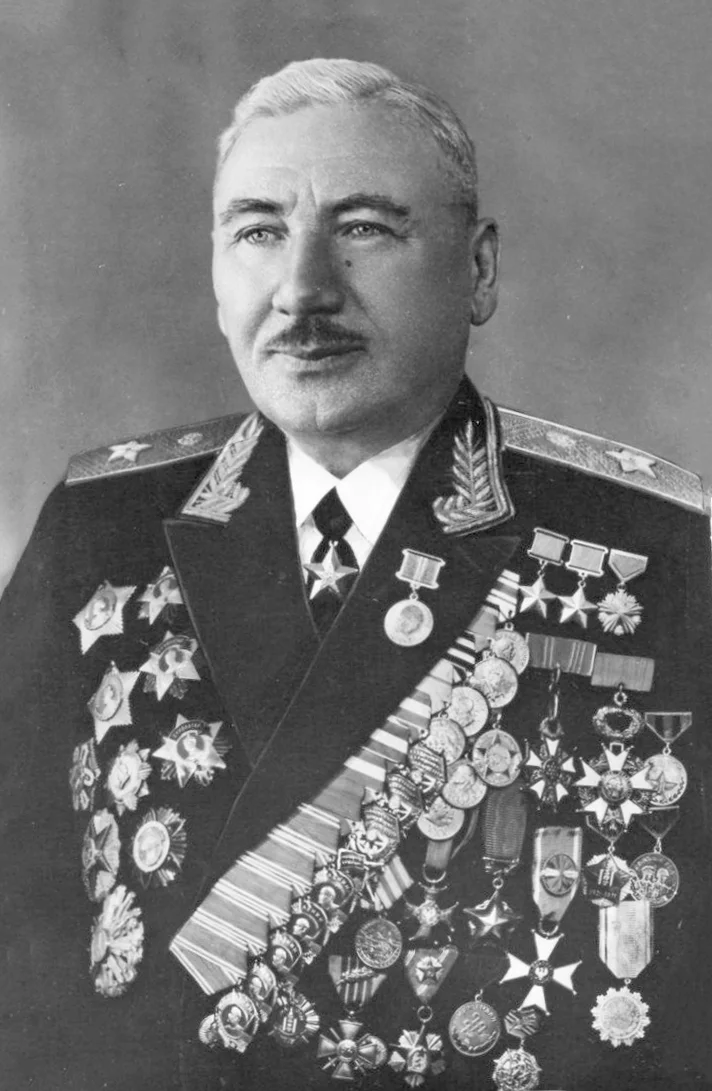

Background and position
Pliyev commanded the Soviet military deployment in Cuba. His responsibilities included forces defending the island as well as the strategic missiles that dominated American attention. The deployment also included tactical nuclear weapons, which could have made an invasion far more dangerous than Washington understood.
Sources for this passage: [1]Role in October 1962
Pliyev received orders from Moscow during the confrontation. Published Soviet telegrams include explicit restrictions on nuclear use, including an order on 27 October. The relationship between earlier planning, commanders’ understandings and actual authority requires care; the presence of nuclear weapons did not automatically grant unrestricted authority to fire them.
Orders to the commander and the physical presence of weapons were separate matters. A weapon could be on the island without being available for unrestricted local use. The surviving telegrams are therefore central to reconstructing the chain of command.
Sources for this passage: [1]Why their role matters
His position reveals the gap between diplomacy at the summit and events on the ground. To understand escalation, it is necessary to ask what orders had been sent, when they could be received and how subordinates understood them. Later disclosures should not be read back into what American planners knew in October.
Sources for this passage: [1]