.jpg)
Background and position
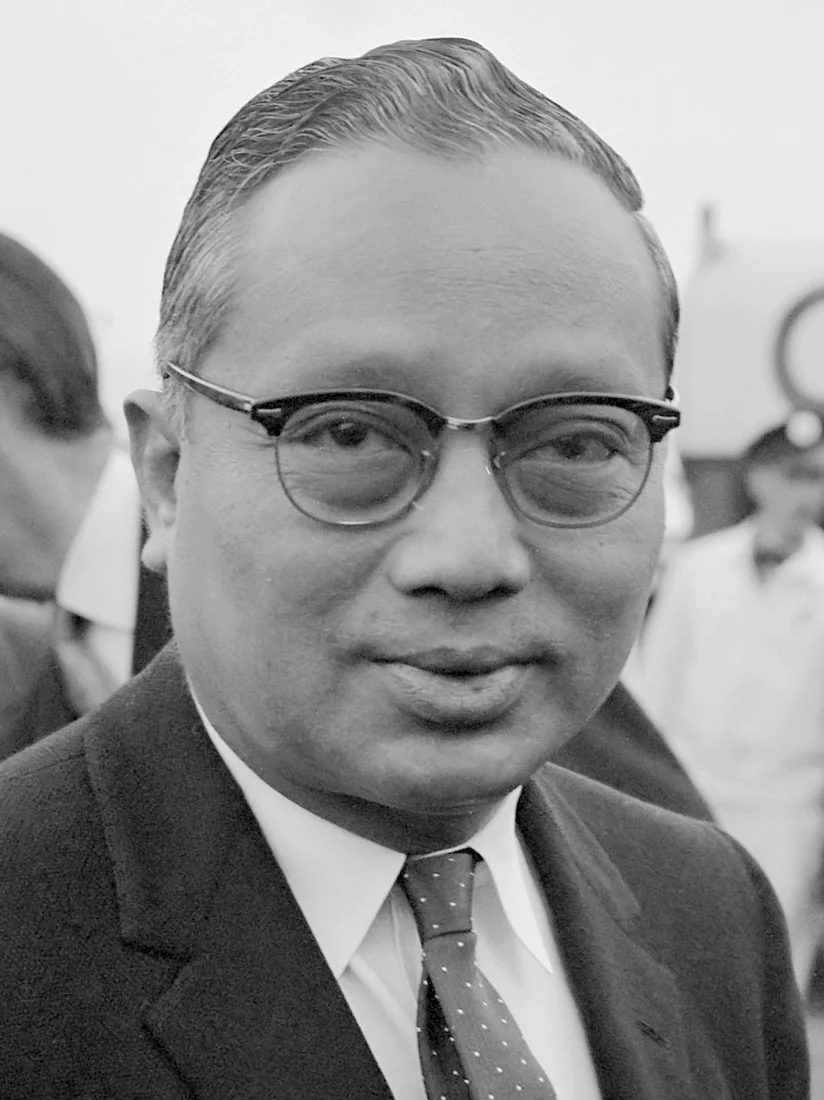
U Thant came from Burma, now Myanmar, and had worked as a teacher, headmaster and public official before becoming a diplomat. He took over as Acting Secretary-General after Dag Hammarskjöld’s death in 1961. He would lead the United Nations until 1971.
Sources for this passage: [1]Role in October 1962
U Thant appealed to the parties to avoid force and pursued practical proposals for negotiations and inspection. His contacts with Washington, Moscow and Havana offered an additional channel while the superpowers exchanged messages. Cuban sovereignty and the terms of verification remained difficult issues.
His mediation addressed practical obstacles: pausing the confrontation, stopping work on missile sites and arranging verification acceptable to the parties. Cuba’s objection to inspection was a political issue about sovereignty as well as an obstacle to confirming removal.
Sources for this passage: [2] [3] [4]Why their role matters
The UN had no power to impose a settlement on the nuclear superpowers. U Thant’s contribution was to keep an additional route for discussion available and to engage Havana as well as Washington and Moscow. That wider contact helps restore Cuba’s place in an often exclusively superpower narrative.
Sources for this passage: [3] [4] [2]