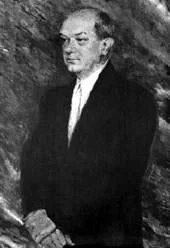


Background and position
Rusk had served in the Army during the Second World War and in the State Department before leading the Rockefeller Foundation. Kennedy appointed him Secretary of State in 1961. His responsibilities covered relations with allies, adversaries and the international organisations through which Washington sought support.
Sources for this passage: [1]Role in October 1962
Rusk argued that an American response should allow pauses in which the parties could step back. He also considered military measures and the risks to allies. The meeting records show diplomacy and force being discussed together, rather than a simple division between diplomats seeking peace and soldiers seeking war.
Diplomacy meant more than exchanging messages with Moscow. Washington also needed to explain its evidence and proposed action to other governments. For Rusk, leaving room for the opposing side to reconsider was compatible with maintaining military pressure.
Sources for this passage: [2] [3]Why their role matters
He remained Secretary of State until 1969. The crisis records show the practical work behind the office: considering how an opponent might interpret a move, managing allied expectations and keeping negotiation possible while military preparations continued.
Sources for this passage: [1] [2]