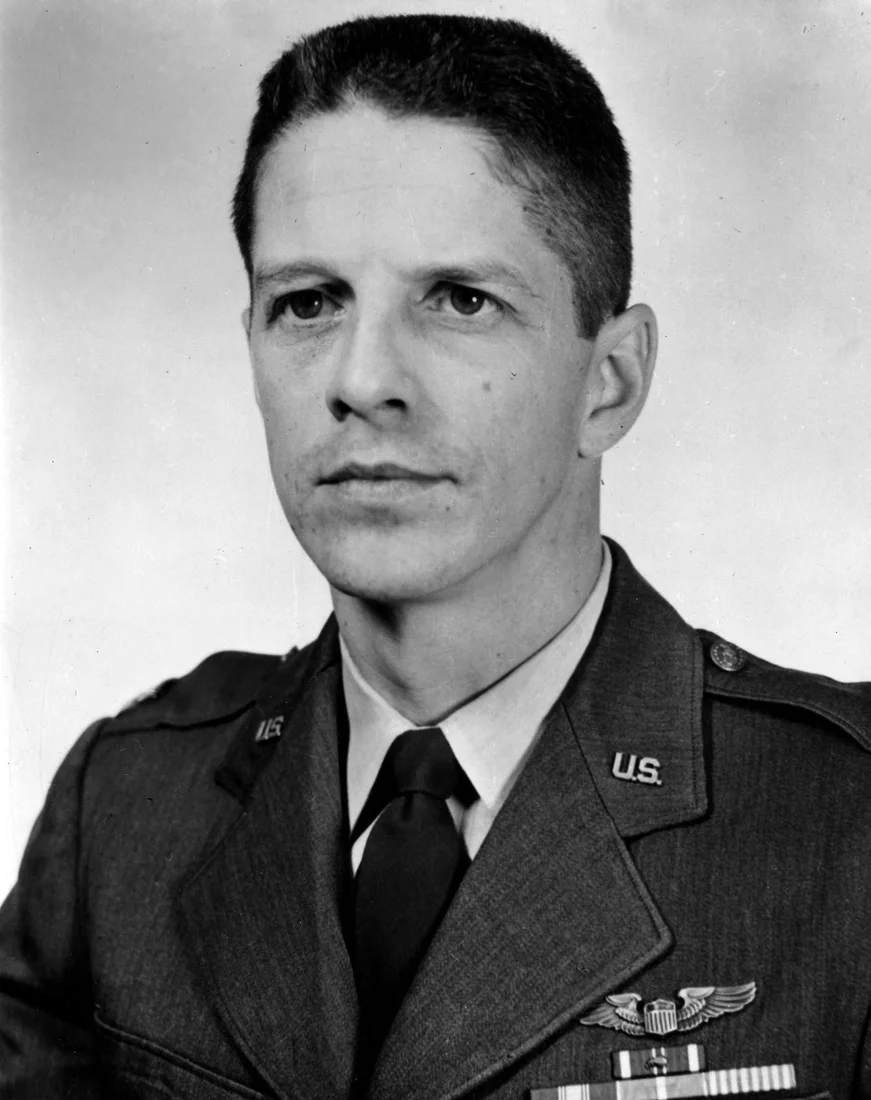


Background and position
Anderson was a US Air Force major flying high-altitude reconnaissance over Cuba. His work was part of the continuing effort to monitor Soviet installations after the original discovery. The U-2 offered exceptional reach and altitude, but it was vulnerable to the surface-to-air missiles deployed on the island.
Sources for this passage: [1] [2]Role in October 1962
Anderson’s reconnaissance aircraft was destroyed by a Soviet surface-to-air missile. His death sharply increased the danger of an American retaliatory strike. Kennedy did not order an immediate attack on the missile battery, allowing diplomatic efforts to continue during the crisis’s most dangerous day.
The loss on 27 October forced a decision about whether to retaliate immediately. An attack on a missile battery could lead to further attacks and an invasion, even while messages about a settlement were being exchanged.
Sources for this passage: [1] [2]Why their role matters
His death gives the crisis a personal cost that can be lost in accounts centred on meetings and maps. It also marks a decisive point at which an actual combat loss did not automatically determine the American response. Kennedy continued to seek an agreement while military options remained ready.
Sources for this passage: [2] [3]