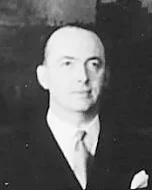


Background and position
Thorneycroft became Minister of Defence in 1962 after serving as Minister of Aviation. His earlier government career included the Board of Trade and the Treasury. Defence policy brought him into questions about costs, equipment and the future shape of Britain’s nuclear forces.
Sources for this passage: [1]Role in October 1962
Thorneycroft served at a moment when Britain was reconsidering its nuclear delivery systems. Thor withdrawal was already on the agenda before the missile crisis. His place in the story helps separate longer-term British defence decisions from the urgent diplomacy of October and the private undertaking about Turkey.
Thor was a particularly visible example of joint responsibility. British personnel and bases supported an American-designed missile with US-controlled nuclear warheads. The policy problem was therefore both military and diplomatic: Britain’s deterrent depended in part on cooperation with Washington.
Sources for this passage: [2] [3]Why their role matters
His place in the crisis is different from that of a missile crew member or a negotiator in the final American–Soviet exchange. The longer-term decision about Thor’s future was already developing before October. Its removal should not be described as a concession he made as part of the Turkish missile bargain.
Sources for this passage: [2] [3]