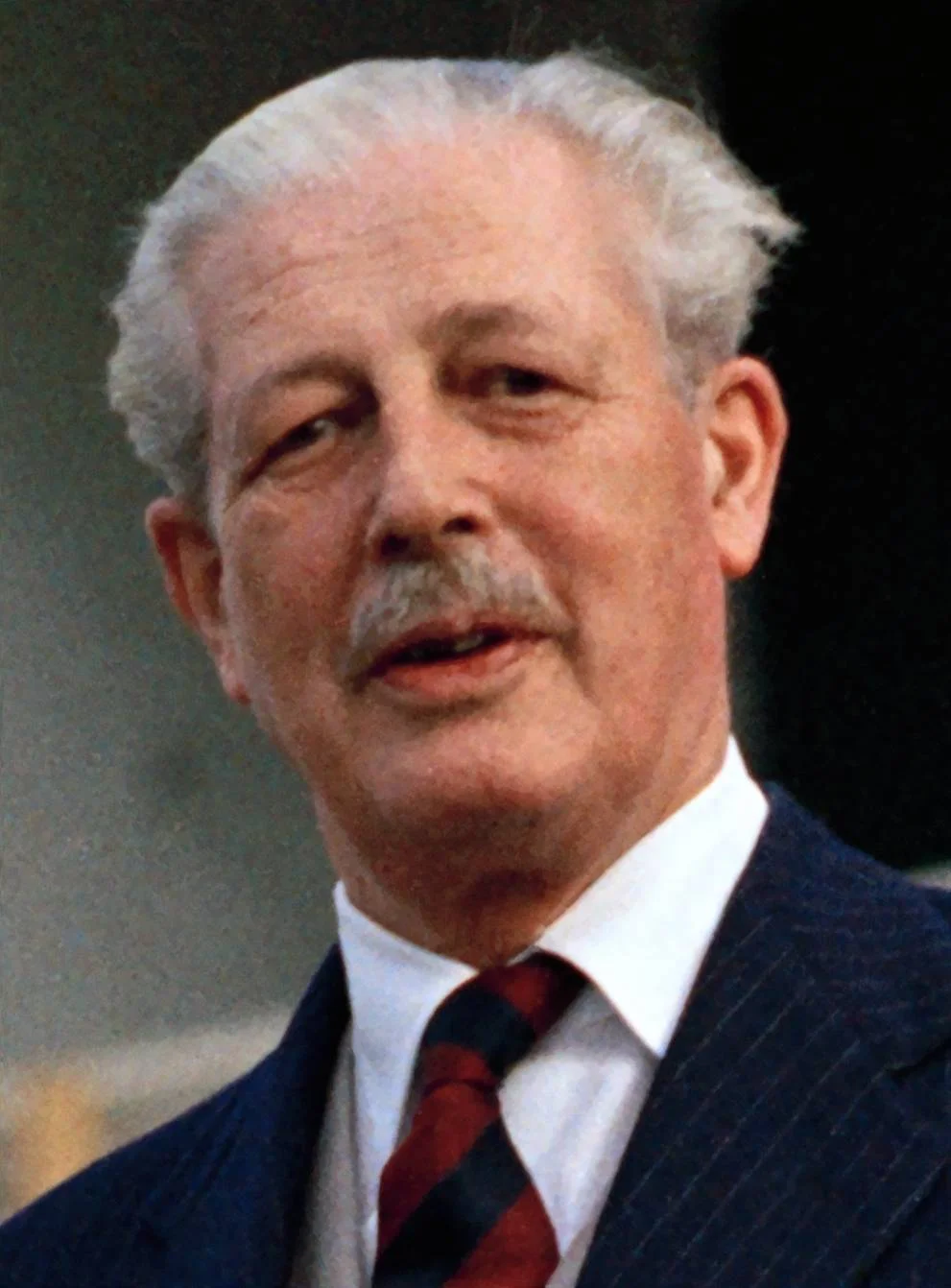


Background and position
Macmillan became prime minister in 1957 after the Suez crisis. He had previously held the defence, foreign affairs and Treasury portfolios, and rebuilding Britain’s relationship with the United States was a central concern of his premiership. Cooperation on nuclear weapons was part of that relationship.
Britain also had its own exposure to the confrontation. American Thor missiles operated by RAF crews stood on British soil, while the V-bomber force formed the centre of the British strategic deterrent. Macmillan had to consider the security of Britain and the wider alliance, not simply the outcome in Cuba.
Sources for this passage: [1] [2] [3]Role in October 1962
Macmillan spoke directly with Kennedy about the quarantine, possible negotiations and the danger of Soviet action in Berlin. At home, he favoured discreet preparations. Britain’s nuclear forces made his government a participant in the wider confrontation even though the central bargain was negotiated by Washington and Moscow.
His telephone conversations with Kennedy linked London to the crisis as events unfolded. They reveal concern about a Soviet response in Berlin and about leaving time for diplomacy. Britain’s close access to the president did not make Macmillan a participant in every private American decision.
Sources for this passage: [4] [5]The telephone link and the European danger
Kennedy’s 22 October telephone memorandum makes the European dimension explicit. The President explained that an attack on Cuba could invite Soviet pressure on Berlin and promised further consultation with Macmillan before an invasion. Britain’s involvement therefore included direct consultation about the risk of a wider war, alongside the readiness of its own forces.
The American note records many of Macmillan’s contributions only as “PM spoke”. It is evidence of the issues Kennedy raised and the assurance he gave, but not a complete record of British advice. The British telephone records provide another perspective and should be read beside it.
Sources for this passage: [6] [4]Why their role matters
Macmillan later helped negotiate the 1963 Partial Test Ban Treaty. That provides an important continuation of the story: after October’s confrontation, Britain participated in efforts to place limits on nuclear testing. Thor’s closure in 1963 belonged to a separate process of changing the British deterrent.
Sources for this passage: [1] [2]