A limited step with serious risks
Kennedy selected the quarantine on 20 October and announced it on television on 22 October. His administration sought a measure that could apply pressure while leaving time for negotiation. Air strikes and an invasion remained possible next steps.
The proclamation targeted specified offensive military equipment rather than all commerce. American officials used the word quarantine to distinguish the measure from a general blockade. The choice of name did not remove the danger of armed confrontation.
Sources for this passage: [1] [2] [3]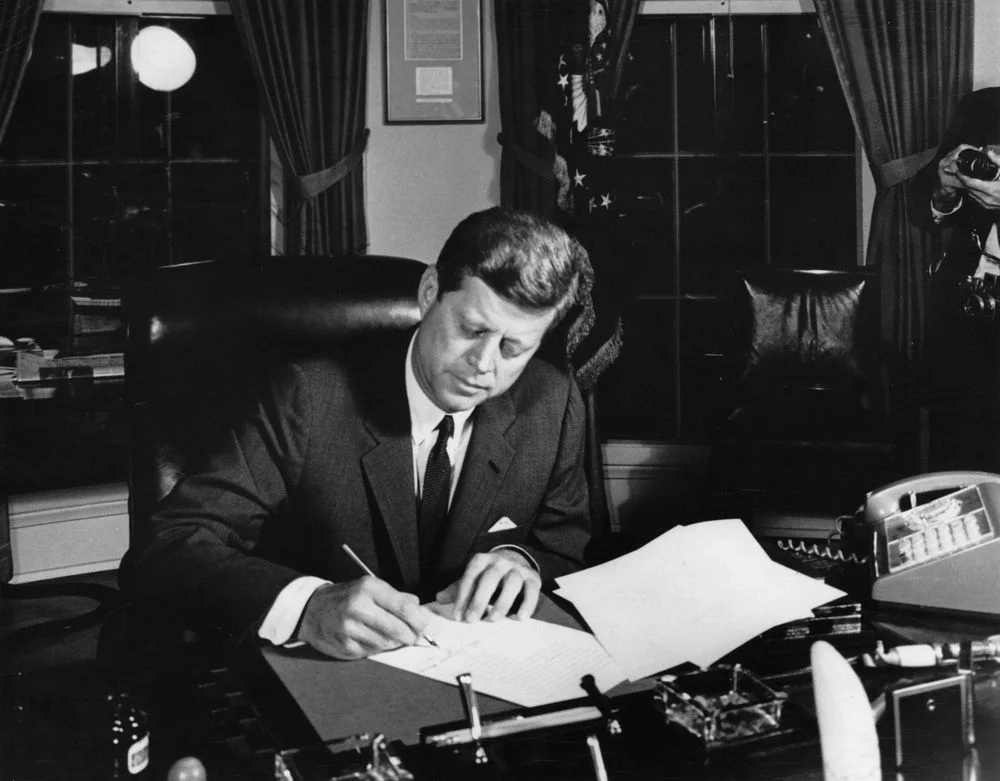


The line at sea
The Organization of American States supported the operation. Naval forces took up their positions, with orders permitting interception and examination of shipping. Decisions about approaching vessels could quickly become decisions about force.
Not every ship was stopped or sent home. The tanker Bucharest was allowed to continue, and a Soviet-chartered freighter searched on 26 October was released after no prohibited cargo was found. A single dramatic stand-off cannot describe the whole operation.
Sources for this passage: [4] [5] [6]The United Nations and the remaining missiles
Stopping further deliveries did not remove weapons already in Cuba. UN Secretary-General U Thant sought ways to pause the confrontation, negotiate guarantees and arrange verification. Discussions considered shipping inspections, construction at missile sites and making the missiles inoperable.
The quarantine was therefore one part of a larger process. Diplomats had to connect a halt at sea to an agreement on land, while Cuba's consent and sovereignty remained unavoidable questions.
Sources for this passage: [7]